Archived Mental Health Game Notes / Reset · Support · 3 min read
The Next Play Doesn’t Know You Screwed Up the Last One
It also doesn’t know you succeded. Billy Bruce reflects on how Texas moved past early mistakes while Ohio State learned that previous success cannot decide the next play.
Texas’ first offensive play Saturday lasted only a few seconds.
Jay Timmons tackled the receiver, knocked the ball loose and recovered it.
Bad start.
On the Longhorns’ next drive, Jaylen McClain intercepted a pass inside the Ohio State 15.
Worse start.
Ohio State turned the mistakes into points, and by halftime the Buckeyes led 20-3. Jeremiah Smith looked unstoppable. Julian Sayin was sharp. The defense was flying around. The offensive line was strong.
Texas had every reason to panic but didn’t.
That’s where the lesson begins.
The next play doesn’t know you screwed up the last one.
It doesn’t know you fumbled or threw an interception. It doesn’t care.
You still have to play it.
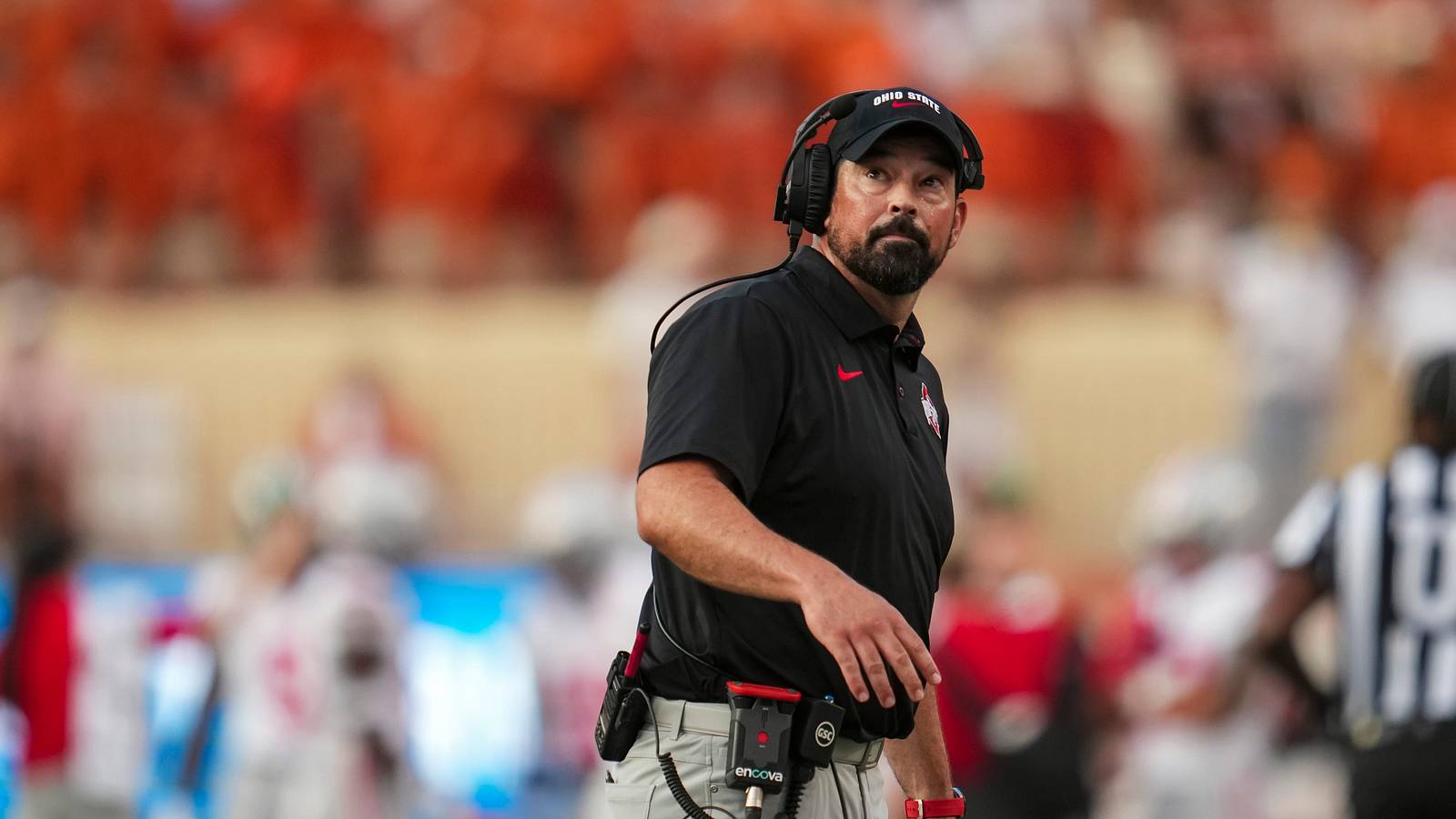
Ohio State had its own moment in the first half. On fourth-and-2 from the Texas 13, the Buckeyes went for it and failed.
I typed into my notes:
“How big will that play turn out to be?”
At the time, it didn’t seem very big. Ohio State looked like it was in control. The defense still looked dominant.
Then the second half happened.
The Buckeyes added a field goal to make it 23-3, then the offense went cold. Three-and-outs piled up. The defense stayed on the field. Ohio State managed only 132 yards after halftime while Texas slowly turned a game that looked over into a stunning comeback.
And that’s the other side of the lesson.
The next play doesn’t know you were great on the last one, either.
A 23-3 lead doesn’t guarantee the next first down.
A dominant first half doesn’t earn you anything in the fourth quarter.
Football keeps asking the same question: “What are you going to do now?”
Life does, too.
We make a mistake and carry it into the next hour, the next day, or the next year. We lose our temper and decide we’re a bad person. We fail at something and decide we’re a failure. We relapse and convince ourselves that all the progress before it meant nothing.
We start treating the next moment like it remembers what happened in the last one.
It doesn’t.
We tell it.
Texas didn’t erase their mistakes on Saturday. They simply stopped letting them matter.
Ohio State, meanwhile, couldn’t keep living off what it had already done well.
That’s the overall mental health lesson from this game.
The last play may explain how you got here.
But it doesn’t get to decide what you do next.
That part is still yours.